As a physician trained in integrative medicine, I have long been interested in natural skin care. My son had eczema as a baby, so I must be cautious with the skin products and detergents that I use in my house.
Beef tallow skincare is interesting to me because it contains anti-inflammatory vitamins and free fatty acids. Still, unlike many skincare products, it lacks chemicals that could be harmful if absorbed. It is surprisingly effective and deeply rooted in ancestral skincare, making it a natural addition to your skincare routine.
What Is Beef Tallow?
Beef tallow is a purified, rendered form of beef fat that has an ancient history of use due to its moisturizing properties and high nutrient content. Before synthetic creams and lotions existed, people in Europe and North America made salves from beef tallow to treat dry, chapped, or aging skin. Egyptians mixed it with other plant extracts for sun protection, and Greeks and Romans used it in massage oils and soaps. Several other indigenous cultures have used it for wound healing.1
New scientific research is showing that beef tallow contains lipids (fats) that mirror the composition of sebum (natural skin oil).2 Sebum helps to maintain the skin barrier and retain moisture, hopefully without clogging pores. Beef tallow also performs these functions, which is why our ancestors used it for skincare.
Today, beef tallow skincare is popular among those seeking natural skincare products with fewer ingredients (components that are easy to pronounce and recognize). It also contains fewer skin irritants and harmful substances that can be absorbed into the body (like parabens).
How Beef Tallow Works
Beef tallow is more than just a moisturizer; it contains several nutrients that the skin needs to function correctly. It naturally contains the fat-soluble vitamins A, D, E, and K, as well as fatty acids (palmitic and stearic acids), ceramides, and cholesterol.
Free fatty acids are essential for skincare because they form part of the “bricks and mortar” of the skin barrier. The skin cells form the bricks, and the fatty acids form the mortar that retains moisture and nourishes the skin cells. Certain skin diseases, the environment, or harsh cleansers can disrupt this layer of fatty acids. However, beef tallow balm can replace these free fatty acids to restore the skin barrier.2
Fatty acids also play a role in reducing skin inflammation, which underlies several skin conditions and irritations.3 The fatty acids also allow for the delivery of fat-soluble vitamins, which have other beneficial effects on skin health:4-7
- Vitamin A supports skin cell renewal, wound healing, and maintenance of the skin barrier.
- Vitamin D helps maintain barrier integrity, minimizes inflammation, and supports healthy skin immunity.
- Vitamin E is a potent antioxidant that protects the skin against inflammation and supports anti-aging.
- Vitamin K supports skin healing and reduces bruising.
These nutrients work together to keep skin soft and reduce redness and irritation. Because they’re naturally bound in fat, they absorb more efficiently when applied as a beef tallow balm.
Beef Tallow vs. Synthetic Moisturizers
Synthetic emollients deliver moisture through three different methods:8
- Humectants (glycerol, urea) attract and retain water.
- Emollients soften skin.
- Occlusives (petrolatum, dimethicone) form a barrier to reduce water loss.
However, synthetic moisturizers may also contain several chemical irritants or other undesirable substances that people with sensitive skin cannot tolerate.
In contrast, beef tallow skincare delivers vitamins and nutrients in fats that the skin can absorb more easily. Beef tallow contains both saturated and monounsaturated fatty acids, conjugated linoleic acid, omega-3 fatty acids (higher in grass-fed beef), and vitamin E. These lipids (fats) are similar to those found in human skin and can penetrate more easily. These compounds can reduce water loss and provide antioxidant benefits to protect against oxidative stress and aging. Beef tallow delivers hydration, supports water retention, and offers clean beauty without parabens, artificial fragrances, or chemical stabilizers.9-11
For those with sensitive or eczema-prone skin, beef tallow is a gentle, non-irritating alternative to synthetic moisturizers, which can disrupt the skin’s natural microbiome due to their chemical content.
The Role Of Essential Oils
Many modern tallow balms blend pure tallow with essential oils for additional benefits:
- Peppermint oil contains menthol and other phytochemicals (plant chemicals) that have anti-inflammatory effects, helping to soothe irritation or redness. It may support antimicrobial activity against several bacteria, especially those that cause acne or other infections.12
- Cinnamon oil has strong anti-inflammatory, antioxidant, and antimicrobial effects. Notably, one of its components, cinnamaldehyde, can promote the synthesis of collagen, which can improve the appearance and elasticity of skin.13
- Lavender and chamomile oils can soothe irritation and have several antiaging properties.12
- Rosemary oil contains bioactive compounds, such as carnosic acid, carnosol, and rosmarinic acid, which are potent antioxidants. Rosemary can also reduce UV-induced damage and improve skin elasticity.14
- Clove bud oil has wound healing, antioxidant, antimicrobial, and anti-inflammatory benefits due to its main component, eugenol.15
These botanicals complement the beef tallow fatty acids, amplifying their benefits. A small amount of essential oil can also make your daily skincare ritual more luxurious, eliminating the need for potentially allergenic synthetic fragrances. However, essential oils can irritate the skin if used in larger amounts. You should use them diluted in formulations containing a carrier oil (such as beef tallow or plant oil), specifically designed for skin care.
Sustainable Skincare And Clean Beauty
Sustainability is another reason beef tallow skincare is popular with wellness enthusiasts. Ethical beef tallow is sourced from grass-fed, pasture-raised cattle and makes use of a natural byproduct that might otherwise go to waste. This aligns with a zero-waste, regenerative approach to beauty and wellness.
Unlike conventional moisturizers with multiple synthetic ingredients and preservatives, tallow balms often contain just a few simple components: rendered tallow, essential oils, and sometimes beeswax or olive oil. This minimalist formulation and non-toxic skincare appeal to clean beauty consumers seeking transparency and purity in their products.
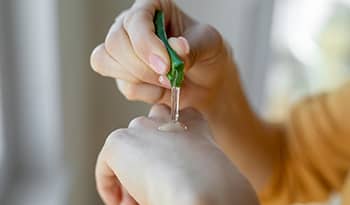
How To Use Beef Tallow Balm
Applying a tallow balm is simple:
- Warm a small amount between your fingertips until it softens.
- Massage gently into clean skin.
- Allow a few minutes for complete absorption.
Because tallow balm is highly concentrated, a little goes a long way. Many people like using it as an overnight moisturizer, a hand cream, or a natural moisturizer for dry areas like elbows, knees, and heels.
Why It’s Gaining Popularity
Beef tallow skincare has become a viral topic for good reason. People are drawn to the ancestral roots, nutrient density, and simplicity of this skincare product. Our ancestors knew what they were doing because beef tallow works! Beef tallow’s efficacy is rooted in both biochemistry and tradition. Tallow offers a timeless solution for eco-conscious consumers who want to minimize synthetic exposure while nourishing their skin naturally.
Beef tallow balm is emerging as a natural choice for supporting healthy skin due to its anti-inflammatory, antimicrobial, and anti-aging properties. It is also moisturizing, rich in vitamins, and sustainably sourced. It contains simple, natural ingredients that have been clinically studied for their modern benefits.
Explore tallow benefits for skin, and you might have a new addition to your skincare routine.
References:
- Pisanti S, Mencherini T, Esposito T, et al. The medieval skincare routine according to the formulations of Madgistra Trotula and the Medical School of Salerno, and its reflection on cosmetology of the third millennium. J Cosmet Dermatol. 2023;22(2):542-554. doi:10.1111/jocd.15234
- Nip J, Ilarslan H, Villa A, et al. Topically applied, fatty acid-containing formulations provide superior barrier benefits in an ex vivo tape-stripped skin model. Int J Cosmet Sci. 2024;46(4):506-515. doi:10.1111/ics.12961
- Kiezel-Tsugunova M, Kendall AC, Nicolaou A. Fatty acids and related lipid mediators in the regulation of cutaneous inflammation. Biochem Soc Trans. 2018;46(1):119-129. doi:10.1042/BST20160469
- Daley CA, Abbott A, Doyle PS, Nader GA, Larson S. A review of fatty acid profiles and antioxidant content in grass-fed and grain-fed beef. Nutr J. 2010;9:10. doi:10.1186/1475-2891-9-10
- De la Fuente J, Díaz MT, Alvarez I, et al. Fatty acid and vitamin E composition of intramuscular fat in cattle reared in different production systems. Meat Sci. 2009;82(3):331-337. doi:10.1016/j.meatsci.2009.02.002
- Haug A, Vermeer C, Ruud L, Monfort-Pires M, Grabež V, Egelandsdal B. Nutrient-Optimized Beef Enhances Blood Levels of Vitamin D and Selenium among Young Women. Foods. 2022;11(5):631. doi:10.3390/foods11050631
- Joshi M, Hiremath P, John J, Ranadive N, Nandakumar K, Mudgal J. Modulatory role of vitamins A, B3, C, D, and E on skin health, immunity, microbiome, and diseases. Pharmacol Rep. 2023;75(5):1096-1114. doi:10.1007/s43440-023-00520-1
- Restoring Skin Hydration and Barrier Function: Mechanistic Insights Into Basic Emollients for Xerosis Cutis - PubMed. https://pubmed.ncbi.nlm.nih.gov/40231699/
- Patzelt A, Lademann J, Richter H, et al. In vivo investigations on the penetration of various oils and their influence on the skin barrier. Skin Res Technol. 2012;18(3):364-369. doi:10.1111/j.1600-0846.2011.00578.x
- Xu S, Kwa M, Lohman ME, Evers-Meltzer R, Silverberg JI. Consumer Preferences, Product Characteristics, and Potentially Allergenic Ingredients in Best-selling Moisturizers. JAMA Dermatol. 2017;153(11):1099-1105. doi:10.1001/jamadermatol.2017.3046
- Lei F, Zheng M, Zhang T, et al. Physicochemical analysis of beef tallow and its liquid fraction, comparing frying performance with high oleic acid rapeseed oil and rice bran oil. Food Chem. 2025;476:143515. doi:10.1016/j.foodchem.2025.143515
- Pezantes-Orellana C, German Bermúdez F, Montalvo J, Packer T, Orellana-Manzano A. Evaluating efficacy, safety, and innovation in skin care applications of essential oils: a systematic review. Front Med (Lausanne). 2025;12:1589691. doi:10.3389/fmed.2025.1589691
- Takasao N, Tsuji-Naito K, Ishikura S, Tamura A, Akagawa M. Cinnamon extract promotes type I collagen biosynthesis via activation of IGF-I signaling in human dermal fibroblasts. J Agric Food Chem. 2012;60(5):1193-1200. doi:10.1021/jf2043357
- Ibrahim N, Abbas H, El-Sayed NS, Gad HA. Rosmarinus officinalis L. hexane extract: phytochemical analysis, nanoencapsulation, and in silico, in vitro, and in vivo anti-photoaging potential evaluation. Sci Rep. 2022;12(1):13102. doi:10.1038/s41598-022-16592-7
- Bennabi L, Debab F, Bennabi F, et al. Optimization and Formulation of an Emulgel Based on Clove Oil in Order to Evaluate Its Antibacterial and Anti-inflammatory Potential In Vitro and In Vivo for Topical Application. Appl Biochem Biotechnol. 2025;197(8):4969-4986. doi:10.1007/s12010-025-05273-6
DISCLAIMER:
These statements have not been approved by the Food and Drug Administration. These products are not intended to diagnose, treat, cure or prevent disease.
















































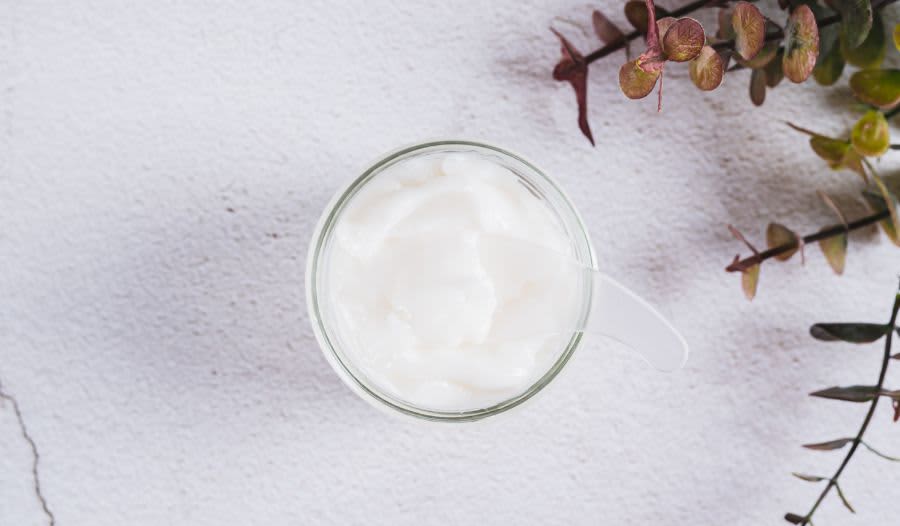
 Table of Contents